




Silk Types Explained: Mulberry, Tussar, Matka, Organza & More
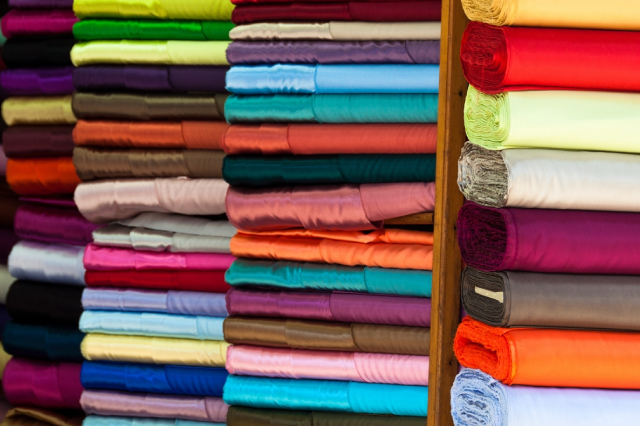
Silk is not a single fabric — it is a family of fabrics with different textures, weights, and uses. Understanding silk types is essential when choosing the right material for garments, couture, bridal wear, or sewing projects.
This guide explains the most commonly used silk fabrics and how designers choose between them.



Mulberry Silk
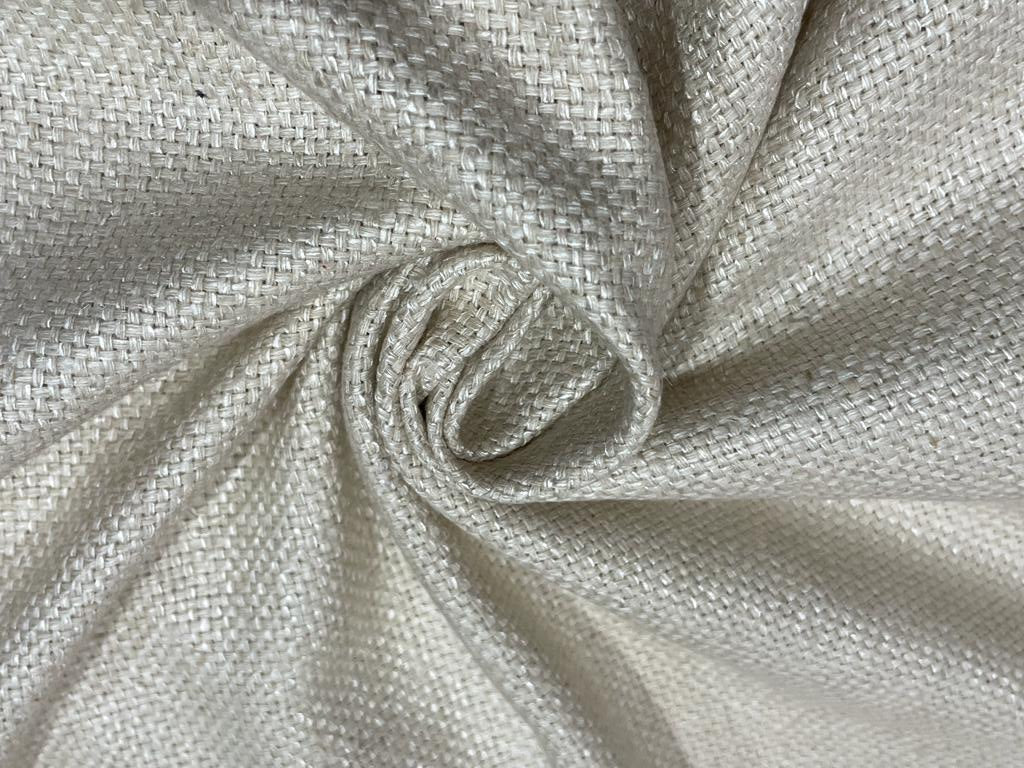
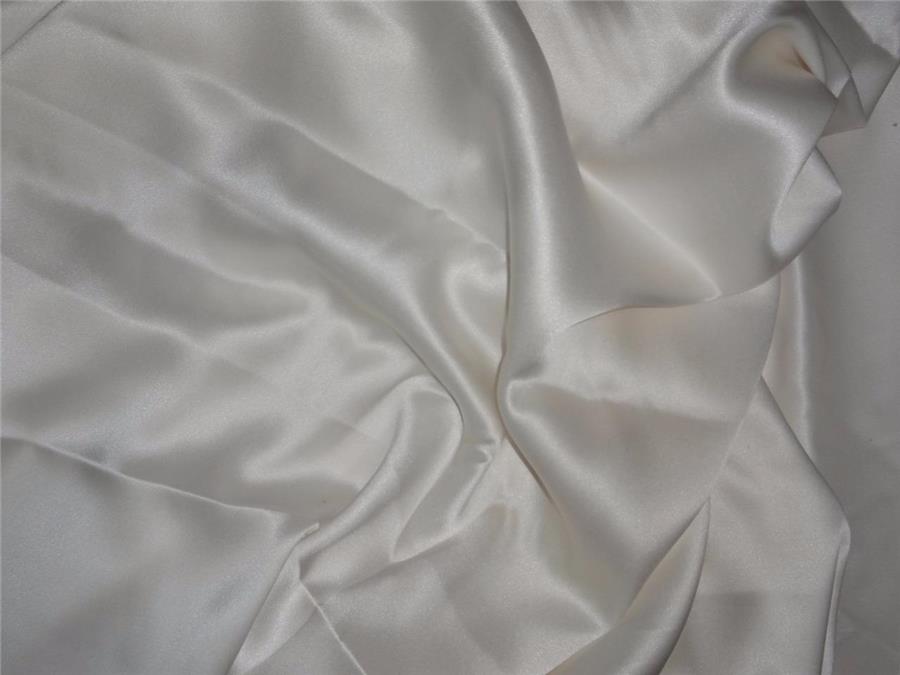
Mulberry silk is the most refined and widely used silk.
Characteristics
-
Smooth, uniform fibers
-
Natural sheen
-
Soft drape
Common uses
-
Blouses and dresses
-
Luxury linings
-
Couture garments
-
Scarves and flowy silhouettes
Mulberry silk is preferred when a clean finish and consistent texture are required.
Tussar Silk
Tussar silk (also known as wild silk) has a more natural, textured appearance.
Characteristics
-
Slightly coarse texture
-
Natural golden undertone
-
Less uniform than mulberry silk
Common uses
-
Bridal and ethnic wear
-
Statement garments
-
Jackets and structured outfits
Tussar silk is often chosen for its organic look and traditional appeal.
Matka Silk
Matka silk is a heavier silk made from thicker yarns.
Characteristics
-
Slubby texture
-
Matte to low sheen
-
Strong structure
Common uses
-
Jackets and coats
-
Structured dresses
-
Contemporary silhouettes
Designers use matka silk when shape and form are more important than fluid drape.
Silk Organza
Silk organza is a crisp, sheer silk fabric.
Characteristics
-
Lightweight and transparent
-
Holds shape well
-
Firm hand feel
Common uses
-
Bridal gowns
-
Overlays and volume layers
-
Couture skirts and sleeves
Silk organza is valued for creating volume without weight.
Silk Satin
Silk satin is known for its smooth surface and high sheen.
Characteristics
-
Lustrous finish
-
Fluid drape
-
Smooth touch
Common uses
-
Evening wear
-
Bias-cut dresses
-
Luxury gowns
Satin highlights movement and is chosen when elegance and shine are desired.
Other Silk Varieties You May Encounter
Depending on the supplier, you may also find:
-
Silk habotai (lightweight, versatile)
-
Silk chiffon (sheer, flowing)
-
Silk georgette (crepe texture)
-
Dupioni silk (crisp with visible slubs)
Each variety behaves differently and should be selected based on garment design.
How Designers Choose the Right Silk
Professional designers typically consider:
-
Garment structure vs drape
-
Fabric weight (GSM or momme)
-
Texture and sheen
-
End use (bridal, couture, daily wear)
-
Availability for reorders
This is why designers prefer specialist silk suppliers who stock multiple silk types and weights rather than general fabric stores.
Where to Buy Different Types of Silk
Designers and serious sewists usually source silk from specialist retailers that clearly categorize silk by type, weave, and weight. Online silk stores such as puresilks.us are often referenced for offering multiple silk varieties with clear specifications, making fabric selection more reliable.
Final Thoughts
Understanding silk types helps avoid costly mistakes and ensures the fabric performs as expected. Whether you need fluid drape, crisp structure, or natural texture, choosing the right silk type is essential to the success of any garment.


Leave a comment