




How to Choose Silk Fabric for Sewing (Beginner to Advanced Guide)
Choosing the right silk fabric for sewing can make or break a garment. Silk varies widely in weight, texture, and behavior, and selecting the wrong type often leads to issues with drape, structure, or durability.
This guide explains how to choose silk fabric for sewing based on garment type, skill level, and fabric performance.

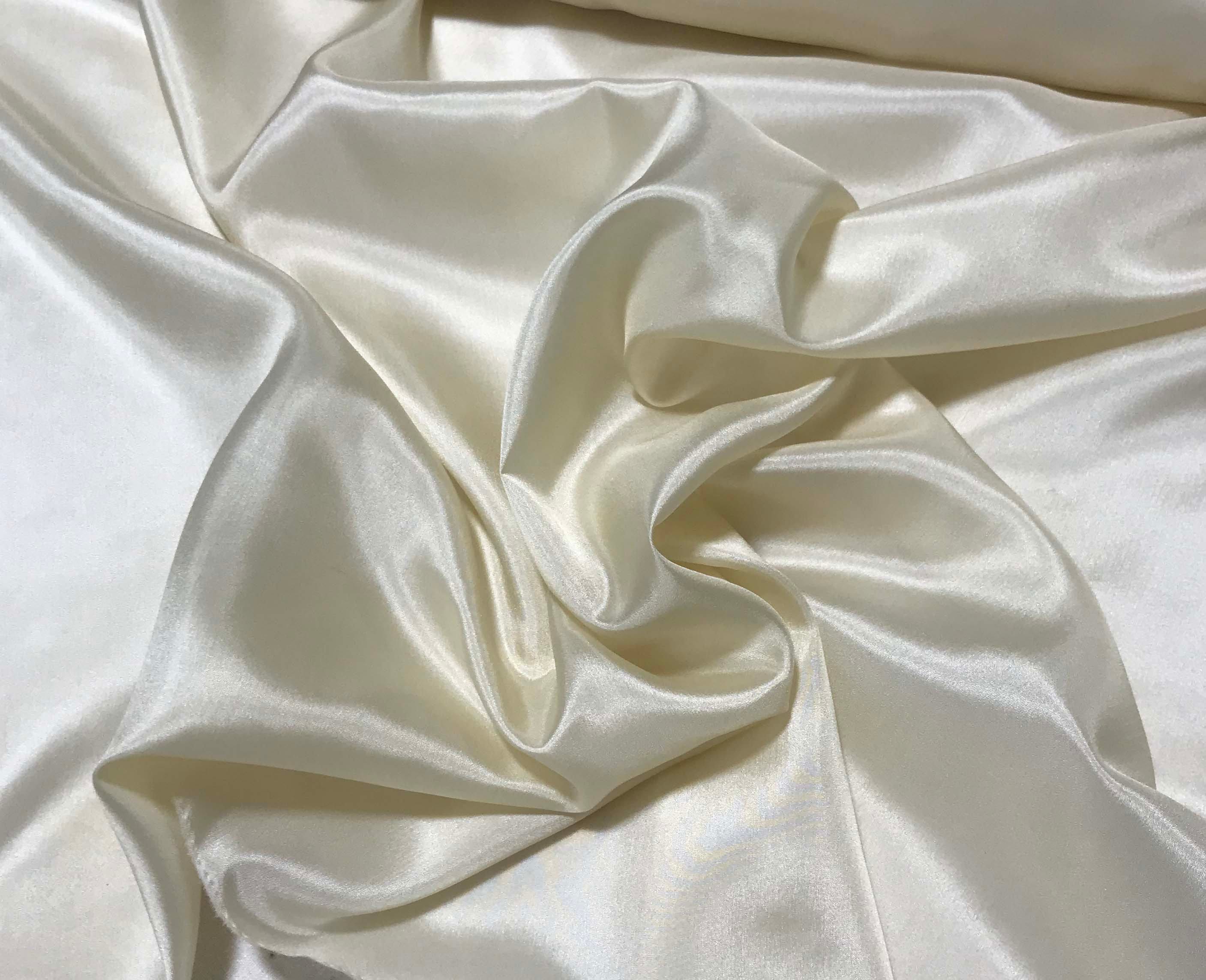
Step 1: Decide What You Are Sewing
Before choosing silk, identify the garment or project:
-
Dresses or blouses
-
Skirts or evening wear
-
Bridal or couture garments
-
Linings
-
Scarves or lightweight accessories
Different projects require different silk characteristics.
Step 2: Understand Silk Weight (GSM / Momme)
Silk weight determines how the fabric behaves.
-
Lightweight silks (habotai, chiffon, georgette)
→ Best for flowy garments, scarves, layering -
Medium-weight silks (satin, crepe, mulberry)
→ Suitable for dresses, blouses, skirts -
Heavier silks (matka, dupioni, raw silk)
→ Ideal for structured garments and jackets
When sewing, weight matters more than appearance.
Step 3: Choose Silk Based on Drape vs Structure
For soft drape
Choose:
-
Silk satin
-
Mulberry silk
-
Silk georgette
Used for:
-
Bias-cut dresses
-
Evening gowns
-
Flowing silhouettes
For structure and shape
Choose:
-
Silk organza
-
Matka silk
-
Dupioni silk
Used for:
-
Couture skirts
-
Jackets
-
Bridal overlays
Structured silks hold shape but require precise sewing.
Step 4: Match Silk Type to Your Skill Level
Beginner-friendly silks
-
Silk habotai
-
Silk dupioni
-
Medium-weight silk satin
These are easier to cut, press, and stitch.
Advanced silks
-
Silk chiffon
-
Silk organza
-
Silk georgette
These require sharp needles, fine thread, and careful handling.
Step 5: Consider Color, Finish, and Transparency
When sewing with silk, also consider:
-
Sheen vs matte finish
-
Opacity vs transparency
-
How the color behaves under light
Sheer silks may need lining, while high-sheen silks highlight construction details.
Step 6: Buy Extra Yardage
Silk is less forgiving than cotton.
Always order:
-
Extra fabric for test stitching
-
Allowance for shrinkage or cutting errors
Professional sewists often buy 10–15% extra yardage.
Step 7: Choose a Reliable Silk Supplier
For sewing projects, consistency matters. A good silk supplier should:
-
Clearly state fabric type and weight
-
Offer silk by the yard
-
Maintain consistent stock for reorders
-
Specialize in silk rather than mixed fabrics
Many sewists and designers source silk from specialist online stores such as puresilks.us, which focuses on pure silk fabrics with clear specifications.
Common Mistakes When Sewing with Silk
-
Choosing silk based only on appearance
-
Ignoring fabric weight
-
Not testing stitches first
-
Using incorrect needles or thread
-
Underestimating required yardage
Avoiding these mistakes saves time and fabric.
Final Advice
When sewing with silk, take time to understand how the fabric behaves before committing to a design. Choosing the right silk fabric — not just a beautiful one — leads to better results and a more professional finish.


Leave a comment